
The problem
Outdoor IoT sensors are largely restricted to places where they can plug into the grid. Batteries run out of power over time, and solar panels fail when covered by mud or foliage — both can leach heavy metals and toxins into their deployment sites.
The solution
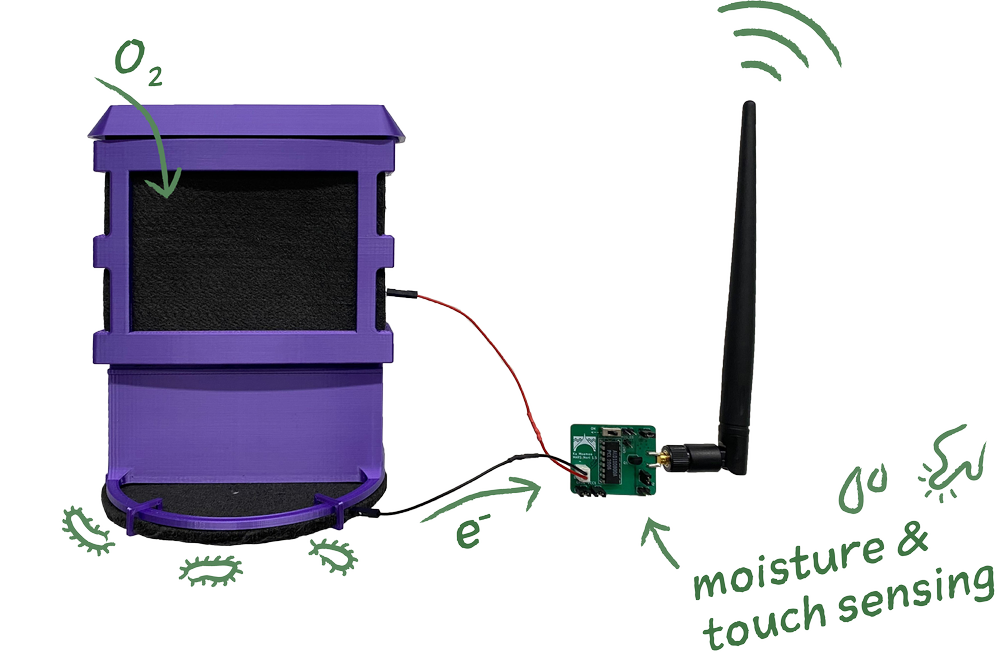
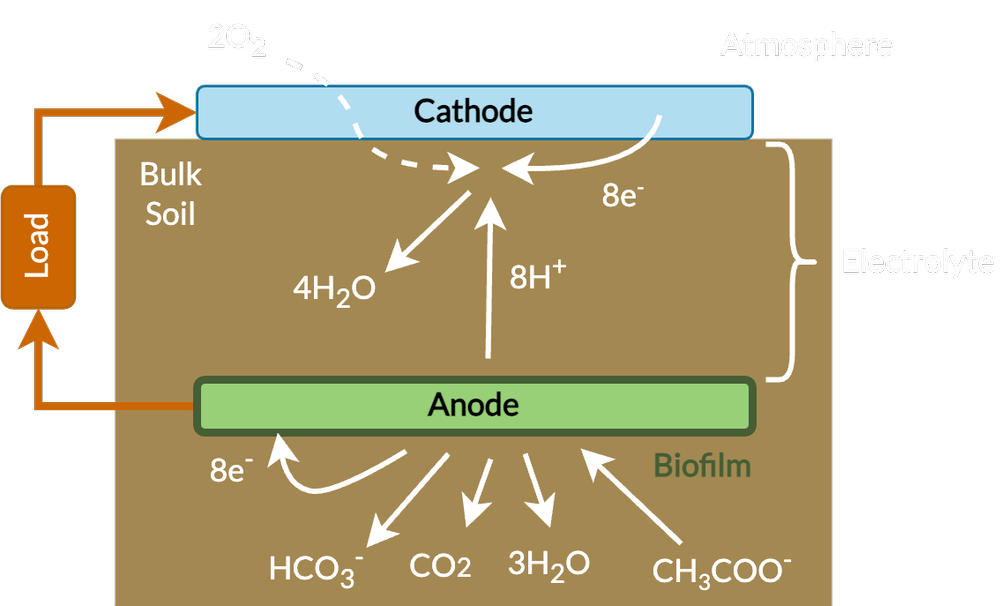
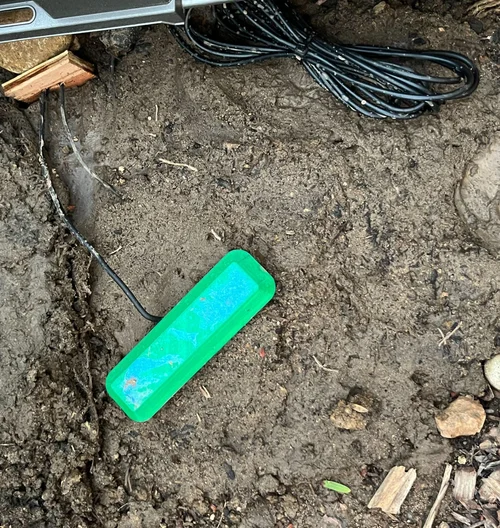
Terracell acts like a battery, with an anode, a cathode, and an electrolyte. But instead of depleting the reactants inside it, it generates power continuously from organic carbon in the surrounding soil — a sustainable energy source for low-power sensing.
Built for real soil, not water
Earlier SMFC designs needed to be submerged in water or fully saturated soil to work. Terracell's vertical, wetproofed cathode keeps drawing in oxygen even as soil dries out — operating reliably down to a volumetric water content of just 42%.
The design is fully open source and buildable with parts from a hardware store and basic prototyping equipment.
Where Terracell can be applied
Smart Green Infrastructure
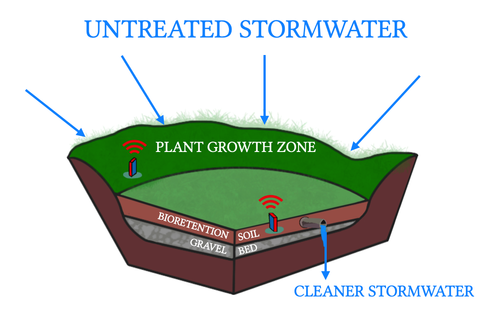
Green infrastructure offers cities real benefits, but its effectiveness is rarely measured. SMFC-powered monitoring is a compact, low-maintenance alternative to solar-powered sensors.
Greenhouse Sensing
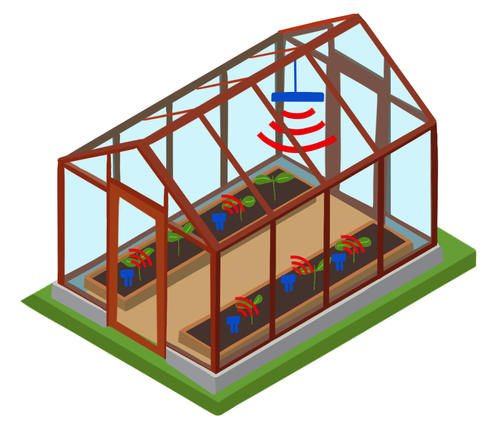
High-tech greenhouses often rely on hazardous, short-lived batteries. SMFC-powered sensors can harvest energy from the soil itself, even inside raised grow beds.
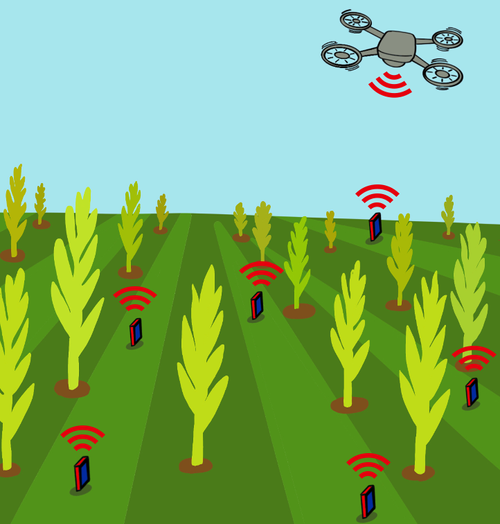
Agricultural Monitoring
SMFC sensors can be deployed at scale across farmland, transmitting localized data to optimize irrigation, pest control, and nutrient delivery.
Peer-reviewed & open source
Soil-Powered Computing: The Engineer's Guide to Practical Soil Microbial Fuel Cell Design is published in the Proceedings of the ACM on Interactive, Mobile, Wearable and Ubiquitous Technologies (PACM IMWUT).